
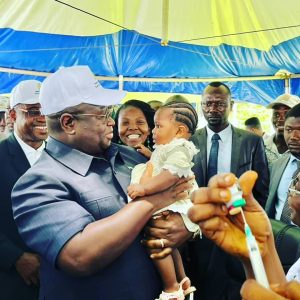
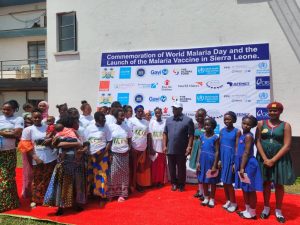
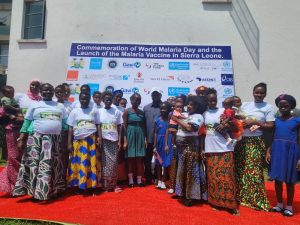
On World Malaria Day, Sierra Leone achieved a significant milestone by integrating the malaria vaccine into its routine immunisation programme. President Julius Maada Bio launched this initiative in coordination with the Ministry of Health and international health partners, marking a crucial step in the fight against one of the nation’s most serious public health challenges.
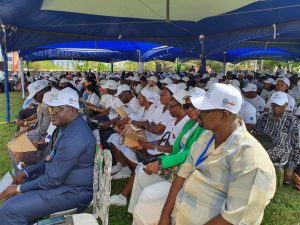
Key stakeholders, including WHO, UNICEF, and Gavi, celebrated this achievement at a ceremony in Freetown, recognising the vaccine’s potential to save thousands of lives annually. The introduction of the vaccine aligns with the government’s strategy to reduce malaria’s impact and enhance child survival rates.
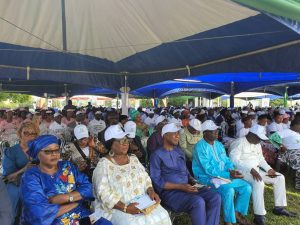
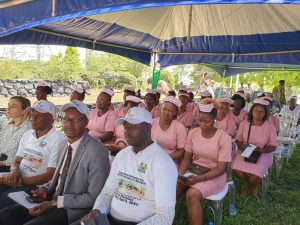
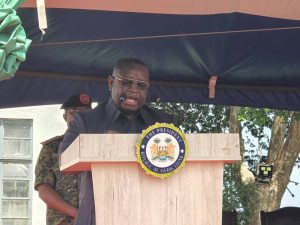
Key stakeholders, including representatives from the Gavi, World Health Organisation (WHO), UNICEF, CHAI, and various non-governmental organisations, attended a ceremony in Freetown at State House to commemorate this significant achievement in public health. “Today marks a historic day for Sierra Leone as we take a monumental step towards eradicating malaria and saving lives,” said President Bio. “Integrating the malaria vaccine into our routine immunisations demonstrates our strong commitment to enhancing the health of our people and achieving our sustainable development goals.”
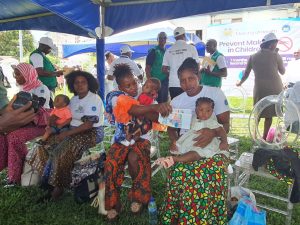
UNICEF Representative in Sierra Leone, Liv Elin Indereiten, commended the government’s dedication and emphasised the vaccine’s significance in fighting malaria. “UNICEF fully backs Sierra Leone’s initiative as a game-changer in safeguarding children, who are most at risk. This vaccine, complementing existing malaria control measures, has the potential to annually save tens of thousands of lives.”
Scientifically known as RTS, the malaria vaccine has undergone rigorous testing and is proven to significantly reduce malaria cases in children. Its integration into routine immunisations is expected to greatly decrease malaria incidence, particularly in high-transmission areas.
The Ministry of Health anticipates that the vaccine rollout will not only reduce malaria prevalence but also alleviate strain on the healthcare system by reducing hospital visits and deaths related to malaria. This initiative is also proof of the power of partnership and collaboration in tackling global health challenges, with multiple stakeholders working together to ensure the successful implementation of the vaccine.
As part of its ongoing efforts to combat malaria, the Government of Sierra Leone, in collaboration with its health partners, is committed to continuously monitoring the vaccine’s impact and effectiveness. Sierra Leone remains committed to monitoring the vaccine’s impact and effectiveness, with plans for potential expansion based on outcomes and lessons learned.


